Meditation Teacher Training in Rishikesh
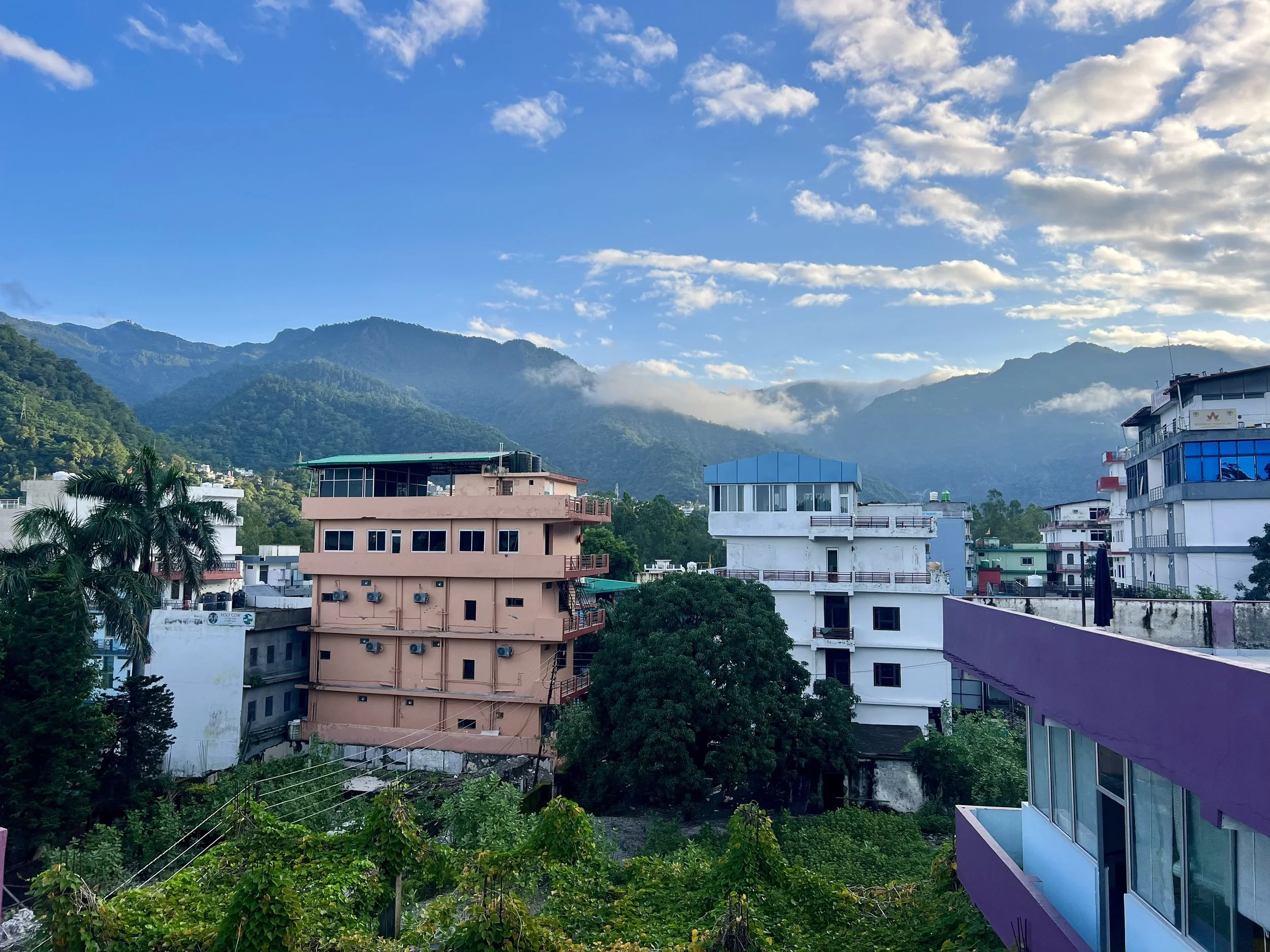
Rishikesh is truly a very special spiritual place. The energy of the Ganga River, the rituals, the fire ceremonies — everything here feels very sacred and encompasses a deeper life force. Known as the birthplace of yoga, it draws people from all over the world who come to practice, learn, and reconnect with something deeper. There are countless teacher trainings and programs to choose from, which can feel overwhelming at first. Rishikesh really offers every kind of spiritual experience imaginable.
I’ve come to realize that it’s not so much about which specific program you choose, but about immersing yourself in the energy and rich culture that India has to offer.
This meditation teacher training felt softer than other spiritual retreats I’ve done. Surrender didn’t require effort — it arose naturally. The program focused less on teaching technique and more on turning inward - ultimately, if you can truly go inward, guiding others will flow from that experience.
At first, I thought meditation would be easier to teach than vinyasa. But as my practice deepened, I realized it’s actually far more complex. It is more difficult to physically show someone how to meditate; you can only help them find it within themselves.
I noticed my mind becoming less resistant — letting go felt more organic, like peeling away layers of illusion rather than breaking through walls. We studied how the ego gives rise to thoughts, how emotions are triggered, and how to observe these patterns through the lens of spiritual philosophy.
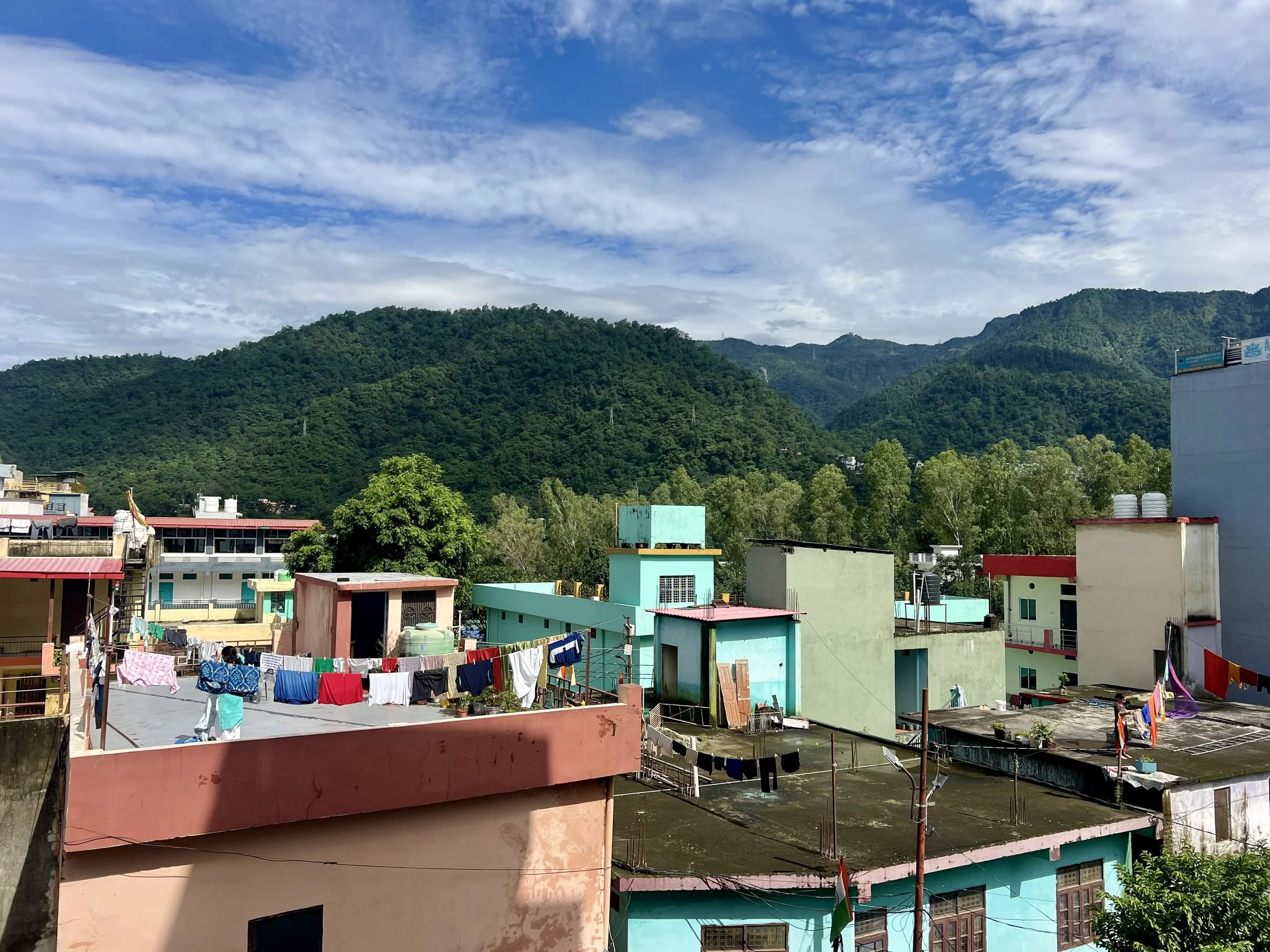
Even the environment itself teaches you. Things in Rishikesh aren’t as orderly or sanitized as in the West. When I first started running, I hated dodging mud, cows, and cow poop — but eventually, the resistance faded. I even grew fond of the cows. I used to always run with music, but here, I feel drawn to connect more deeply with nature — running in silence, fully present with the rhythm of my breath and the sounds around me.
Our daily schedule reflected this balance between structure and flow:
6:45–7:45 AM – Morning meditation outdoors
7:45–9:00 AM – Pranayama class
11:30–1:00 PM – Meditation philosophy
4:15–5:30 PM – Hatha yoga
5:30–7:15 PM – Evening meditation
8:00 PM – Optional night meditation
Although I feel freer and more grounded here, Rishikesh has surfaced new inner challenges. I notice how I overthink decisions instead of trusting my heart, or how I sometimes fear “losing myself,” only to realize it’s not me I’m losing — it’s old identities I no longer need. Judgment still arises, often toward myself. Sometimes I even wonder if all this self-work is just another way to avoid making concrete changes in my life.
But in this space, I’ve been able to work through things subconsciously, without needing to “figure them out.” It’s as if something deeper inside me has been quietly sorting through what no longer serves me. From that stillness, clarity has emerged naturally — especially the realization that I want to move out of New York. The pace, the noise, the endless doing — they no longer feel aligned with who I’m becoming.
Yet I know the real test isn’t staying peaceful in Rishikesh. It’s carrying that same balance back into everyday life in the West — where everything moves faster, where distractions multiply, and where the mind is constantly tested. It’s easy to be calm in Rishikesh; the challenge is to stay that way everywhere else.
I’m learning to trust myself more, to discern what truly feels right even when it’s uncomfortable. Awareness is only the first step — the real growth comes from acting on it, changing patterns, and eventually reaching a place where those old thoughts don’t even arise anymore.