How to Choose the best Yoga Teacher Training for You
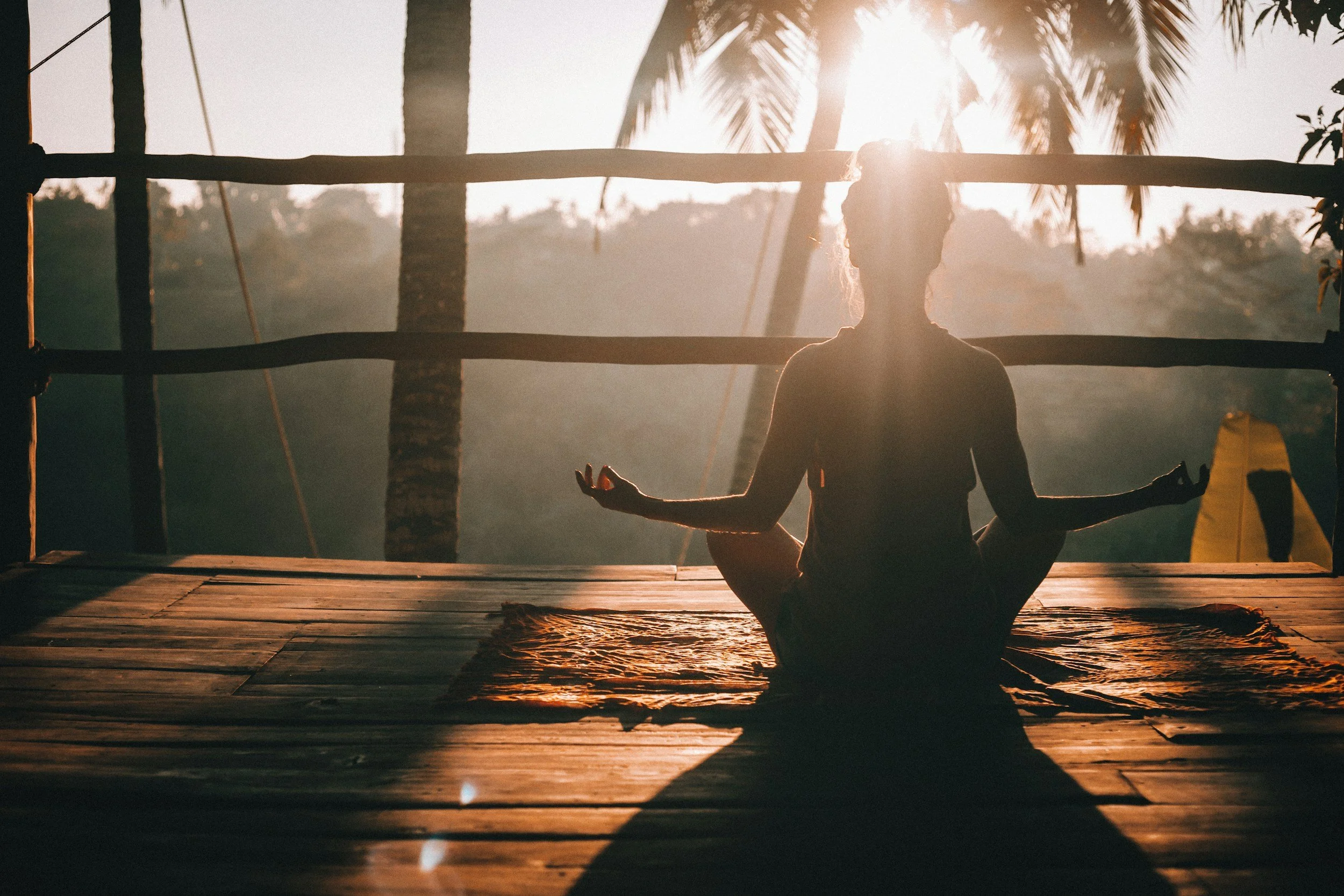
I always tell people that a 200-hour yoga teacher training is the gateway to the spiritual world. Whether or not you ever plan to teach, this experience gives you a deep foundation — the philosophy and the way of living that comes with it. You can read books like The Power of Now to awaken your awareness, but to truly experience and feel that shift, a retreat or teacher training is one of the best ways to begin.
Why Yoga Teacher Training Isn’t About Being Physical
These days, there are countless retreats and teacher trainings — and not all are created equal. Some can feel like “the blind leading the blind,” full of seekers who haven’t yet found their own grounding. Many people start yoga for the physical benefits and realize later that the peace they feel comes from something deeper — a connection between body, breath, and consciousness.
A teacher training opens your eyes to that world. You’ll meet people at different stages of awareness — some purely curious, others seeking transformation — and that’s the beauty of it. Everyone is learning to move beyond the mind and into a larger consciousness. No matter the reason you begin, the journey itself is worthwhile.
Start With the 200-Hour Yoga Teacher Training
Regardless if you have been practicing for years or have never practiced before, I recommend beginning with a 200-hour yoga teacher training before trying other types of spiritual retreat. It’s the perfect introduction to yoga philosophy, anatomy, teaching techniques, and daily practice — all within a structured and immersive environment.
Clarify Your Intentions
Before choosing a program, get clear on why you want to do it. Not so that you come in the program with expectations, but more so that you can choose the right program for you. I recommend asking yourself:
Do I want to actually learn to teach, or am I doing this to deepen my own practice?
Do I want to build a spiritual community or focus more inwardly?
What type of yoga speaks to me — Hatha, Vinyasa, Ashtanga, or something else? (In the modern world, yoga has transformed into various types)
How much do the facilities, the price, and the location of the training is held matter to me? (The cheaper programs tend to run multiple retreats at the same time, have less than 200 hour class time (less than 4 weeks), and are more for a holiday as they aren’t really evaluating you with a test or practicum.)
Being honest about your goals will help you narrow down the filters to find the right teacher training program for you.
Choosing Where to Train
If you want to go to the roots of yoga and study traditional methods, consider training in India. Rishikesh offers so many programs and most start in the beginning of the month and at a great price point. If your goal is to teach back in the West or even to Westerners, it might make more sense to choose a Western-based school that focuses on teaching methodology or a school in another country that is run by Westerners. It’s important to note that larger yoga chains often hire from within, so doing their program could help you get your foot in the door — though even then, a certificate doesn’t always guarantee a teaching position.
Location and Community Matter
Each training attracts a different kind of energy. Programs in beach towns tend to draw people looking for a balance between yoga and vacation, while mountain or rural settings often attract those seeking introspection and deeper community. I did my training with Path of Yoga, about an hour from Chiang Mai, Thailand, and it was exactly that — peaceful and intimate. The center was tucked away in a rural area with nowhere else to go, so everyone stayed on-site (even the teachers), shared meals, and spent our breaks together. There were no outside guests or other retreats happening, which made the experience feel incredibly focused and connected and added so much more to my experience. Everyone is fully presented, connected and immersed completely in the program which made such a huge difference in building connection and going deeper. It was the first time in my life that I went the entire month not drinking alcohol or having caffeine.
While a more intimate, secluded program was perfect for me, it might not be for everyone. In places like Ubud, Bali, there are countless yoga studios and retreats. I attended classes led by recent 200-hour graduates offering donation-based sessions, which I thought was such a great idea. Even though the environment was busier and less intimate, having the opportunity to practice teaching in a real studio setting was an amazing experience.
How to Evaluate a Program
Once you’ve narrowed down your programs:
Review their website, social media platforms, Google reviews, and comments about the program on Yoga Alliance.
Schedule a call with the school — not just to ask questions, but to feel whether their energy resonates with you.
Ask thoughtful questions such as:
Does everyone stay on-site, including all the students and teachers?
How are we evaluated on passing? (Is there a practicum and a test?)
Do most students plan to teach afterward?
How much hands-on teaching practice is included and is the intent of the program geared toward being able to teach afterwards?
How many students are in the program?
Are there translators if needed? (One school I attended there was a translator and if I knew beforehand, I would not have chosen this program, as my native language is English and it really slowed down the learning as every sentence was translated into Russian)
Are classes combined with other retreat guests?
Does the school also run casual yoga retreats (3 day or 6 day retreats), offer drop in classes, or is it focused solely on this one 200 hr teacher training?
Can you connect me with a recent graduate so I can hear their experience? (If they can’t, go to their instagram page and look at their tagged photos and see if you can find recent graduates and reach out to them on your own)
More than what they say, listen to how their words make you feel. Your intuition will tell you whether the program aligns with where you are on your journey.
Final Thoughts
There’s no one-size-fits-all path — the right training for you depends on your goals, energy, price sensitivity and openness. Whether you go in seeking certification, community, or self-discovery, yoga teacher training is a powerful doorway into something greater: connection, awareness, and an entirely new way of being.
